11/26/24
I hope you’re enjoying your Thanksgiving.
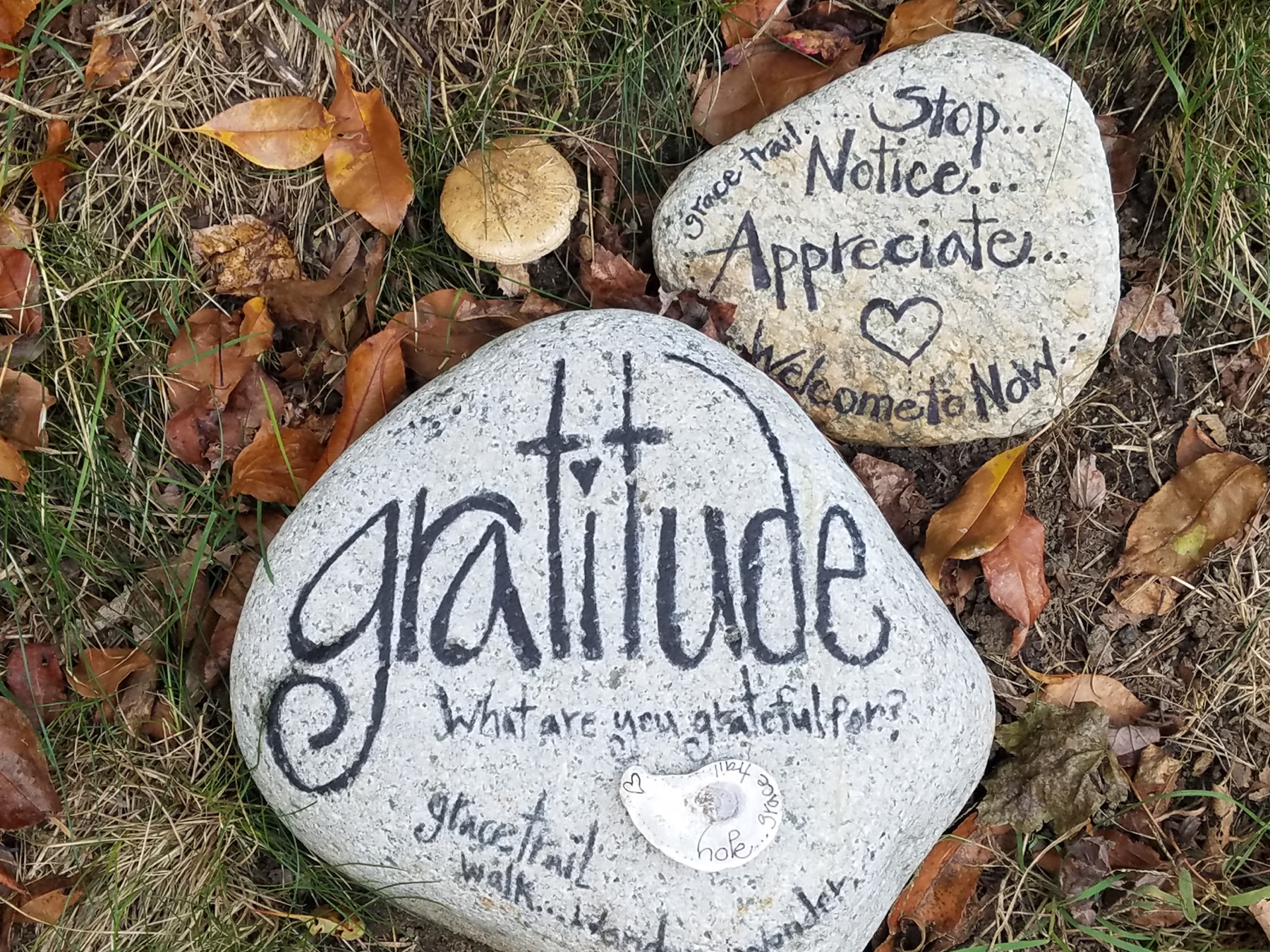
Thanksgiving invites us to notice what we may take for granted. A gratitude practice makes room to reflect on the people, experiences, and ordinary moments we appreciate.
We might remember a friendship, an act of kindness, or a moment of calm. Gratitude does not require us to deny difficulty or feel thankful for painful circumstances. It is an invitation to notice what matters alongside them.
Finding a way to practice gratitude from this vantage point can be almost heroic in challenging times of inner turmoil or conflict and outward disharmony. The path to authentic gratitude can sometimes feel elusive, especially when we’re struggling to find things to be grateful for. For many of us it doesn’t feel real or sustainable in and of itself. If that’s you read below for a new perspective.
New Perspectives: Gratitude and Your Life of Service
If this resonates with you, neuroscientist Andrew Huberman offers an intriguing alternative.
He outlines a process where rather than searching outward for things to be grateful for, Dr. Huberman suggests two powerful approaches:
- Recall times when others expressed gratitude toward you
- Recall a meaningful story of someone receiving help, and reflect on how that person felt. (1)
These reflections offer another way into gratitude. You can recall a specific moment of receiving thanks or witnessing kindness and notice your response, without requiring yourself to feel a particular emotion.
Possibilities of Change
A remembered story may make gratitude feel more personal than a list of things to appreciate. Treat this as a reflective practice, not a method for treating pain or emotional distress.
This variation of gratitude practice reminds us of the intrinsic value of service and can inspire us to rediscover the joys that come in our service roles to others.
(1) Andrew Huberman, The Science of Gratitude & How to Build a Gratitude Practice. The discussion of building a narrative-based practice begins at 45:50; the protocol summary begins at 1:18:50. Read the episode notes and transcript.
***The information in this article is for educational purposes only and is not intended to substitute for professional medical advice, diagnosis, or treatment. Always seek the advice of your physician or other qualified health providers with any questions you may have regarding a medical condition. Never disregard professional medical advice or delay seeking it because of something you have read in this article. Please note that the results of any Yoga, meditation, or other therapeutic or exercise work may vary. Please read our full disclaimer for more information.
Leave a Reply