
Spring has a way of bringing you back. Back to being more active, and to everything that comes with that. Because of this each year around this time can becone a kind of checkpoint; a time when you start to see more clearly how things are actually going.
You walk a little more. You stay outside a little longer. You return to movements you set aside months ago. And somewhere in those first few weeks, you notice how things feel.
Sometimes it is easier than you expected. Sometimes it is not.
If something has been bothering you, pain, stiffness, or a kind of tension that does not quite let up, this is often when it becomes more apparent. You start moving more, and what has been in the background shows up more clearly.
When things don’t quite resolve
If you have been dealing with something that keeps returning, or not quite resolving, you are probably not doing anything wrong. It usually means something in how you are moving or holding tension has not changed yet.
Most of us are used to going at things directly. Something hurts, you stretch it, strengthen it, work around it. There is nothing wrong with that. It just does not always hold.
Sometimes what you feel is not the problem. It is part of how your system has been holding things together, but it is not working as well anymore. When that part is never looked at, things tend to circle. Something improves, then returns, or shows up somewhere else. After a while it starts to feel unpredictable, or just frustrating.
A different way to approach it
This is where a different approach can help. Instead of going straight at the problem, we slow things down and look at how the whole system is organizing around it. How you are moving, where effort is being used, and what is actually contributing to what you feel.
This work is grounded in attention. Not abstract, but directed at what is happening as you move and how your nervous system is organizing what you do. That is where patterns begin to change, and where things start to hold.
What begins to change
You might notice it in small ways at first. Something that usually catches does not catch the same way. You turn or reach without tightening first. You stay with an activity a little longer without having to manage it.
It is not dramatic. It just feels a little easier, and then you realize you did not have to think about it. Over time, that begins to change your relationship to movement. You feel less cautious, less like you have to manage every step, and more able to trust what your body can do, even as you are getting older.
That matters, because it is not just about movement.
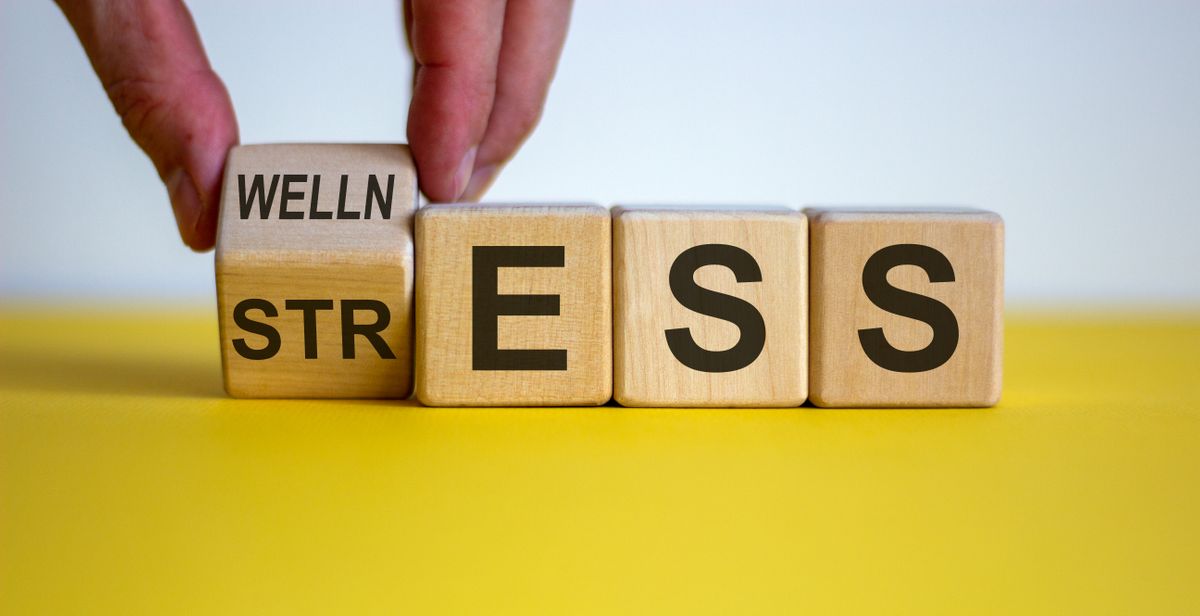
As things organize differently, effort drops and the tension you did not realize you were carrying starts to ease. You are still dealing with life, but it does not land in quite the same way. For many people, that shows up as less background stress and more room to respond rather than brace or push through.
It is not something you force. It builds. And when it does, you notice it in simple ways. Moving through something that used to make you hesitate. Feeling steadier without having to think about it.
The direction of the work
This is not about fixing something that is broken. It is about learning how your system is working and allowing it to organize in a more efficient and sustainable way. That is the direction of the work we do here. Discovering and enjoying this diifferent relationship to movement. One that supports feeling better and staying active now and throughout a lifetime,