How Posture and Somatic Movement Inform Our Yoga Practice
Uncovering ease, strength, and possibility in everyday movement.
How we move shapes how we feel, and much of how we move becomes habit. Over time, our bodies adapt to daily routines and past demands by finding clever workarounds. These compensation patterns serve a purpose, but some remain long after the need has changed. They can quietly restrict our range and make movement require more effort than it needs to.
Posture and somatic movement education offer a way to update those habits. Our practice combines yoga’s long tradition of self-inquiry with evidence-informed principles of posture and movement. By sensing how your whole body participates, you can explore different ways to share the effort. Ease becomes something you can feel and build on as you develop strength and greater freedom in everyday movement.

Where you feel it may be only part of the story
Where you feel pain or restriction is not always where the difficulty begins. An area that feels overworked may be taking on more than its share because movement elsewhere is limited.
Consider turning to look behind you. How much of the turn comes from your neck? Does your upper body join in? Exploring that relationship can reveal options you hadn’t noticed.
We look at those underlying patterns, including where movement has become restricted. The work focuses on restoring options so that you have more ways to move without repeatedly relying on the same overworked area.
Posture is part of movement
Perhaps one shoulder sits higher than the other. Or you can turn comfortably in one direction but feel restricted going the other way. These differences give us somewhere to begin.
Posture includes how you support yourself as you move. It changes when you reach for something or shift your weight to take a step.
Our aim is support that adapts to what you’re doing. You explore how the parts of your body work together, with less need to brace or hold yourself in place.
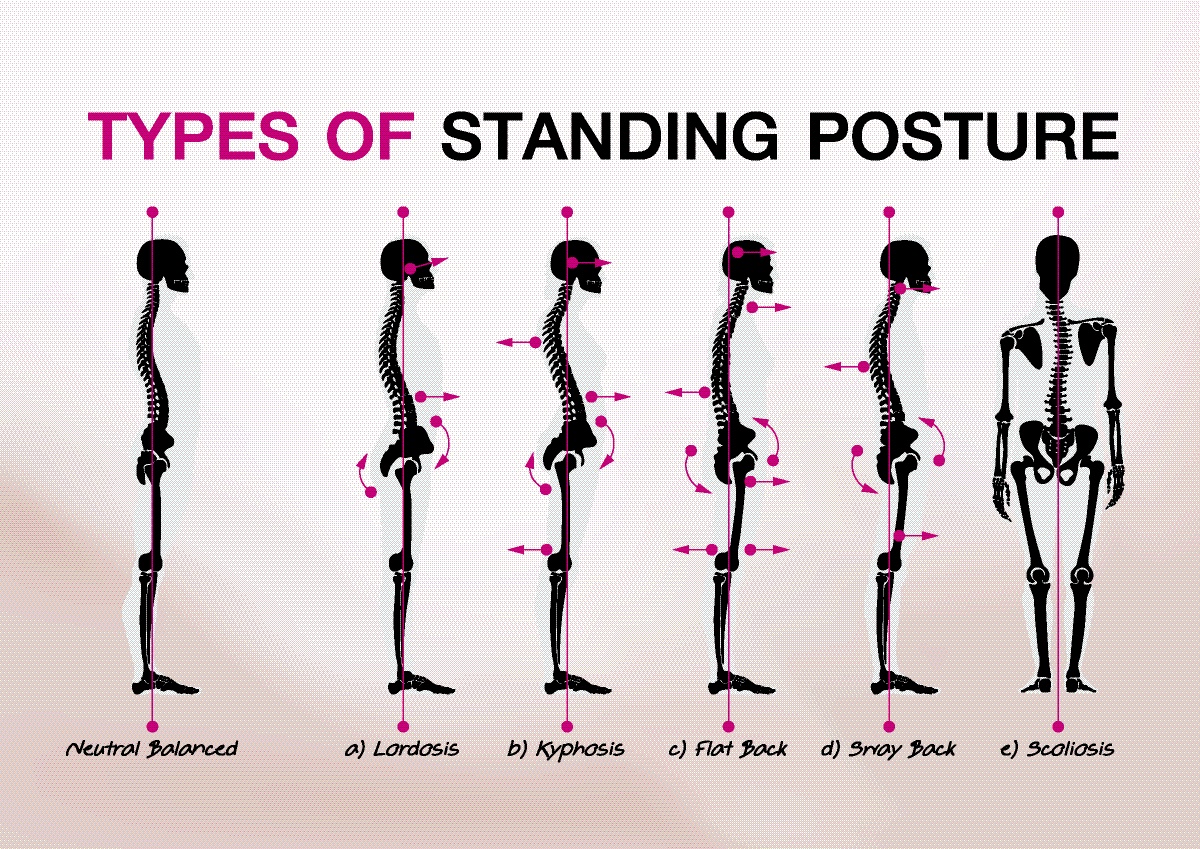
Illustration © handmadee3d / Shutterstock.
How somatic movement helps you learn
This way of practicing may feel unfamiliar at first. If you’re accustomed to stretching farther or working harder, making a small movement and attending to its subtleties can take some getting used to. You don’t have to understand the process in advance. Alan guides you through comfortable movements at a pace that gives you time to notice what’s happening. You can start where you are.
“Somatic” means experiencing your body from within. As you move, you pay attention to what you feel. A small shift in effort can be worth noticing.
Your nervous system can learn new patterns
Learning through the nervous system is central to this approach. Your brain and nervous system organize movement using sensory information and what you’ve learned through experience. They can adapt as you learn. That capacity is called neuroplasticity.
Movement and sensation create an ongoing conversation between brain and body. As you explore a movement with attention, sensory feedback gives your nervous system information it can use to adjust how you move. A small change in how your chest participates may change the experience of reaching with your arm. Returning to the reach gives you a chance to feel the difference and explore it further.
The pleasure of finding ease
There can be pleasure in discovering that a movement feels easier than you expected. That enjoyment matters. If you’ve learned to measure progress by how hard you work, allowing comfort and curiosity to guide your practice may itself be a discovery. A pleasant movement gives you something worth returning to and exploring further.
What sounds abstract can become recognizable through experience. Understanding grows through sensation, and its value becomes personal when you bring that freedom into something you enjoy doing.
Making practice more useful
Repetition strengthens what you practice. That can include a compensation you don’t realize you’re using. When you hurry through a familiar movement, it’s easy to miss the extra effort that has become part of it.
Slow it down. Does your shoulder tighten before you even begin to reach? What happens if you make the movement smaller?
With Alan’s guidance, you have time to explore the difference and practice another option. Repetition then helps you become familiar with what you’re learning.
Changing how you move begins with learning to sense and organize movement differently.
Restore options for the activities that matter
What would you like to feel easier? Getting up from a chair may be the place to start. Or perhaps you want to walk with more confidence.
If you play a sport, we can explore how you shift your weight and how the rest of your body supports the action. For a musician, the question might be how to support the instrument without holding unnecessary tension. Your own activities give the work its direction.
We keep coming back to how your body works as a whole. More movement options give you room to respond to the demands of what you love doing.

What to expect
Alan draws on 35 years of experience across yoga and a range of contemporary approaches to movement education. That background informs how he adapts the work to your needs and helps you explore a different way to move.
We begin with what brings you here and what feels comfortable now. Alan guides you through movements that help you notice where you’re working harder than you need to.
You can pause whenever you need to. There’s room for questions. If a movement feels like too much, you can make it smaller or rest. You don’t need to arrive flexible, and there’s no need to push through pain.
Between sessions, a short practice gives you a chance to revisit what you’ve discovered. You may also begin to notice familiar habits during an ordinary day. Reaching into a cupboard becomes a chance to try something differently.
Find your starting point
Group classes offer regular guidance in yoga and somatic movement, with room to work at your own pace. If you’d prefer more individual attention, private sessions are available by inquiry.
Visit the class schedule for current in-person and online options. The Saturday somatic movement class is one place to begin.
Not sure what would suit you? Email Alan with what you have in mind, or ask about a brief consultation.